Memento Mori Wallpaper for iPhone
The oldest productivity tool there is, on the screen you check most. What a memento mori wallpaper is, and how to keep one honest.
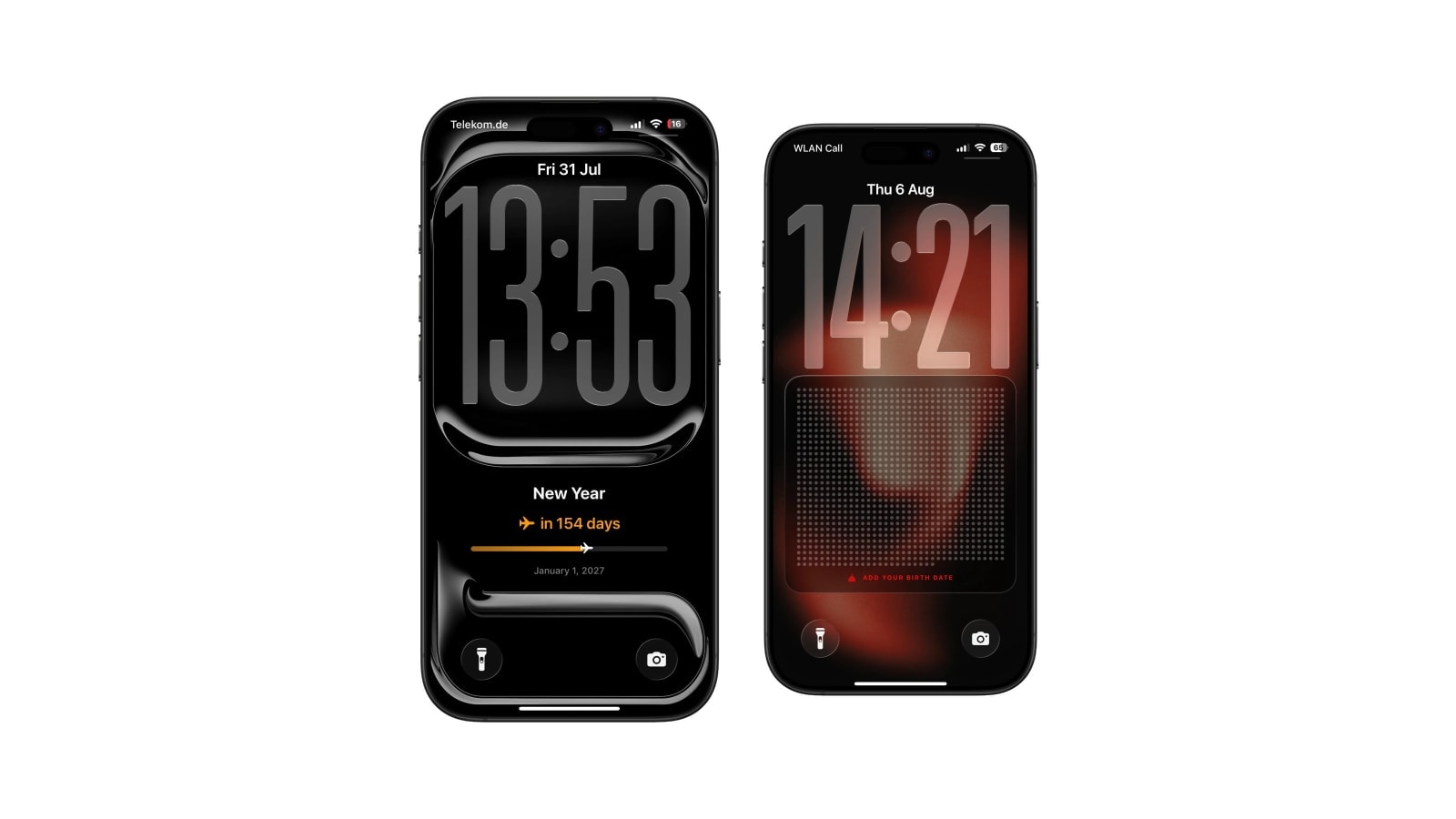
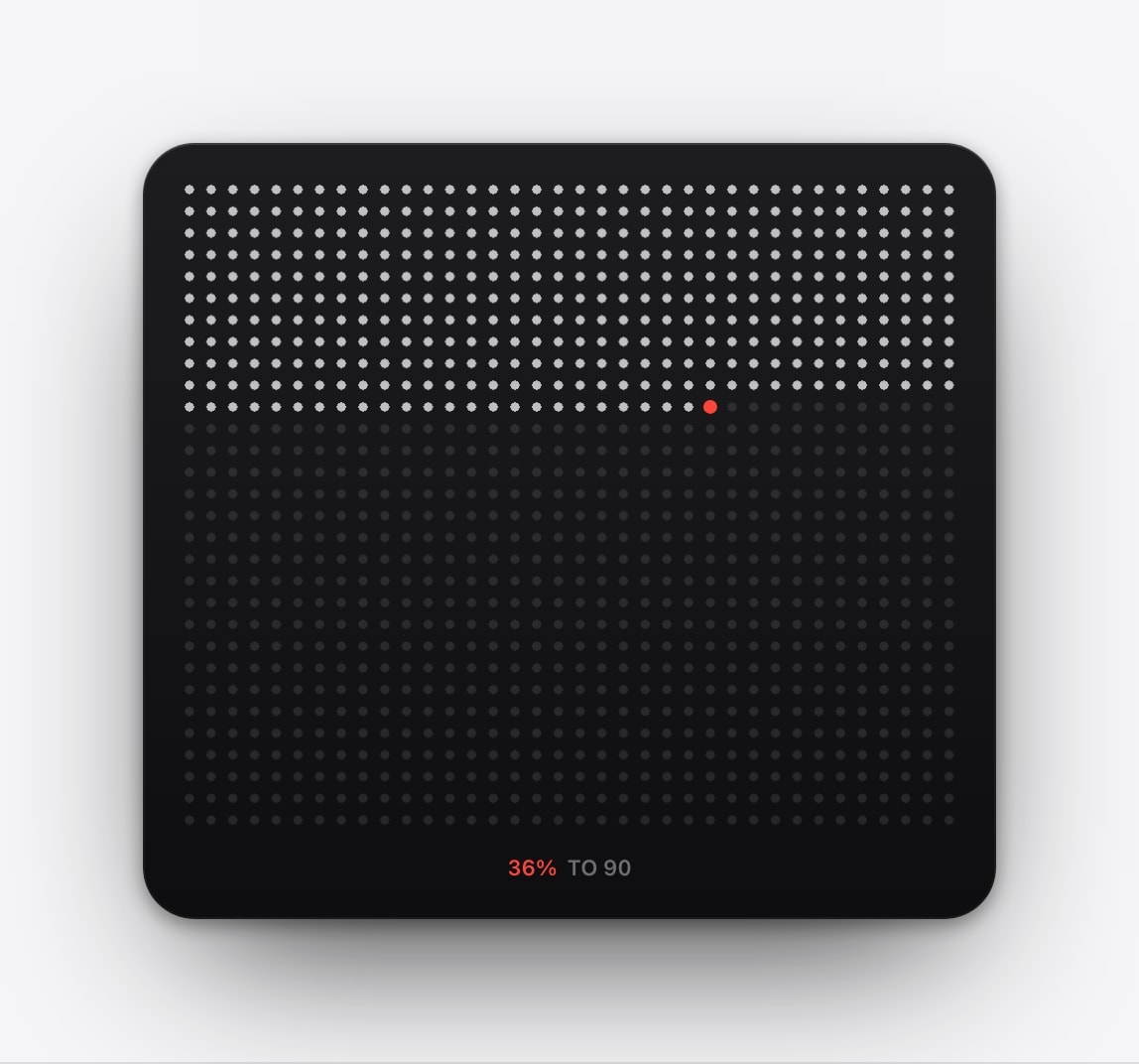
Memento mori is Latin for “remember that you will die”, and as a wallpaper it usually takes the form of a life calendar: the weeks already lived, the current one, and an illustrative horizon ahead.
The tradition behind it is older and gentler than the phrase suggests. It runs through Stoic writing and through the vanitas painters, who put skulls, guttering candles and wilting flowers into otherwise comfortable still lifes, and the argument was never that you should be afraid. It was that remembering the limit makes it harder to believe there will always be a better time later.
A Lock Screen is an unusually intense place to put that argument, because you will meet it dozens of times a day rather than occasionally in a gallery. Worth trying, and worth being willing to take down.
What the phrase actually carries
The idea has been used for very different purposes over the centuries: as religious instruction, as a philosophical exercise, and as a genre of painting in which wealth and time are shown in the same frame. What survives across all of them is the same move, which is to place the limit somewhere visible so it stops being theoretical.
The life-calendar grid is a modern, numerical version of that. It is cleaner than a skull and considerably more precise, and it deserves the same humility the older images had: the last row is a chosen horizon, not knowledge about the future.
Why the Lock Screen changes it
Frequency is the variable nobody accounts for. A poster on a wall is encountered when you happen to look at it, which might be twice a week. A Lock Screen is encountered every time the phone lights up, which for most people is somewhere between fifty and two hundred times a day.
That does one of two things and it is hard to predict which. It can deepen the cue until it genuinely changes how you spend an evening, or it can wear the meaning away entirely until the grid is wallpaper in the literal sense. Occasionally it does a third thing and makes a difficult thought feel inescapable, which is worth knowing before you set it up rather than after.
So try it for a week and pay attention to the feeling rather than to the concept. The idea being profound is not evidence that the daily version of it is good for you.
A version you can live with
- 1Choose the horizon
Treat the target age as the end of the drawing. Nothing about it is a claim.
- 2Choose the intensity
A full weeks grid is the most direct. Year progress, a month view or a single phrase all carry a lighter version of the same idea.
- 3Keep the design restrained
The subject already has weight. Dramatic imagery pushes it towards decoration, which is the one thing that would make it meaningless.
- 4Leave yourself an exit
Change the wallpaper the moment it produces distress or compulsive checking, without treating that as a failure.
The other half of the phrase. Some people get more out of a weekly calendar, a photograph or a short note, which expresses the same argument from the living end rather than the finite one.
A reminder should open the day, not narrow it
Keep the memento mori wallpaper if it makes ordinary time feel more present, which is what it was always for. Take it down if it makes ordinary time feel inadequate, which is what it was never for.
Questions people ask
It is Latin for “remember that you will die”, a reminder of mortality used in Stoic philosophy, religious practice and vanitas painting.
It can be. The weeks grid is a modern way of picturing finite time, with a target age that is illustrative rather than predictive.
It depends on the person. Keep it if it produces perspective, and remove it if it produces anxiety.
No. It shows a chosen horizon and where you currently are inside that drawing.
Yes. Year progress, a month calendar, a photograph or a short line all carry a lighter form of the same idea.